
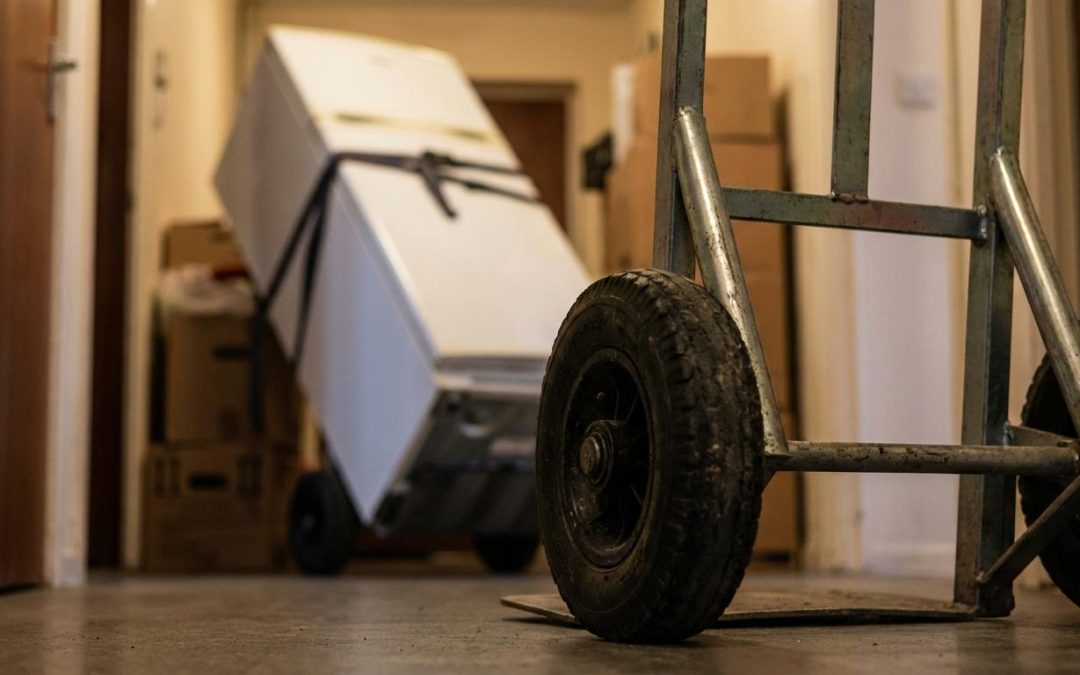
A house cleanout can look straightforward at first glance. Then the heavy items appear: a fridge tucked into a tight corner, a sofa that barely fits the doorway, boxes of books stacked higher than expected, old filing cabinets, bed frames, whitegoods, and hard waste that has not moved in years.
That is where planning matters most. Heavy lifting during a cleanout is not just about strength. It is about pacing, clear access, the right equipment, safe technique, and knowing when a task should not be done alone. When those pieces come together, the work becomes faster, safer, and far less stressful.
Why heavy lifting during a cleanout needs a different approach
A cleanout is rarely a tidy moving-day scenario. Rooms can be crowded, pathways narrow, lighting poor, and emotions high, especially in deceased estates or homes being prepared for sale. Even a strong person can be caught out by awkward shapes, unstable loads, hidden trip points, or simple fatigue.
Heavy lifting also tends to happen in bursts. One minute you are sorting papers or bagging rubbish, the next you are trying to manoeuvre a wardrobe through a hall with uneven flooring. That stop-start rhythm can lead to rushed decisions, which is often when strains, drops, and slips happen.
A safer cleanout begins with the assumption that every large item needs assessment before it is touched.
Start with a lift plan, not with the item
Before moving anything bulky, stop and size up the room, the item, and the path out. This sounds basic, though it can save a lot of trouble. Measure doorways if needed. Check whether drawers can be removed, shelves taken out, or frames dismantled. Confirm where the item is going, whether that is a skip, truck, trailer, storage area, or kerbside collection zone.
The next step is to test the load. A slight tilt can tell you a lot about weight distribution. A cabinet may feel manageable on one side and suddenly much heavier on the other. A washing machine may still hold residual water. A chest of drawers may look empty while carrying surprising weight in the base.
Planning also means clearing the route first. Remove loose rugs, cords, pot plants, toys, open cartons, and anything else that could catch a foot or wheel. If the load blocks your vision, the route needs to be even more open.
| Item type | Key risk | Better approach |
|---|---|---|
| Fridges and whitegoods | Weight concentrated low, awkward grip | Use trolley, straps, and at least two people |
| Sofas and armchairs | Bulky shape, blocked sightline | Clear path fully and rotate through doorways slowly |
| Book boxes | Small size hides heavy load | Repack into smaller boxes before moving |
| Wardrobes and tall cabinets | Top-heavy, unstable doors or shelves | Empty, remove shelves, and dismantle where possible |
| Bed frames | Sharp edges, awkward length | Disassemble first and bundle parts |
| Office cabinets | Uneven weight, drawer shift | Empty completely and secure moving parts |
Safe lifting technique that actually reduces strain
Good lifting technique is not a minor detail. It changes the amount of pressure placed on the lower back, shoulders, and knees. The aim is simple: keep the spine in a neutral position, keep the load close to the body, and use the legs to drive the lift.
Stand with feet about shoulder-width apart, with one foot slightly forward if that feels more stable. Bend at the hips and knees rather than folding at the waist. Grip the item securely, brace your core, and lift by pushing through the legs. Keep the item near waist height where possible, rather than carrying it out in front.
Twisting is one of the biggest hazards. If you need to change direction, pivot with your feet. Do not twist through the torso while holding weight. That applies just as much when placing an item down as when lifting it.
A few practical points are worth keeping in mind after the basics:
- Keep it close: the further the load is from your body, the harder your back has to work
- Lift only what you can control: weight is only one factor, awkward shape matters just as much
- Avoid shoulder-height lifts: raising bulky items high reduces control quickly
- Lower with care: setting an item down badly can strain the back as easily as lifting it
Warm muscles help too. A short walk, a few leg bends, and a moment to loosen the back and shoulders can make physical work feel steadier from the start.
PPE and site conditions matter more than many people expect
Heavy lifting injuries are not limited to backs. Fingers get pinched, feet get crushed, hands get cut on rough edges, and people slip while carrying loads that hide hazards on the floor. Basic protective gear helps prevent very ordinary problems from becoming serious ones.
Gloves improve grip and protect against splinters, sharp metal, cracked laminate, and broken glass. Sturdy work boots with closed toes and slip-resistant soles are a far better choice than runners or sandals. If dust, insulation, or old debris is present, a mask and eye protection can also be sensible.
Clothing matters as well. Loose sleeves, dangling straps, or overly baggy garments can catch on handles, nails, and protruding corners. In homes that have been closed up for some time, lighting may be poor, so open curtains, switch on lights, and bring portable lighting if needed.
A cleanout site becomes safer very quickly when a few standards are set early.
- Gloves
- Work boots
- Clear walkways
- Good lighting
- Hydration nearby
- Breaks scheduled
- Sharp debris removed early
When team lifting is the safer call
Some items should never become a one-person test of determination. If something is very heavy, bulky, unstable, or hard to grip, a team lift or mechanical aid is the right answer. As a broad guide, once an item is around 25 to 30 kilograms, or simply awkward enough to force poor posture, it is time to get help.
Team lifting works best when one person leads. The lead sets the count, confirms the route, and calls for pauses or adjustments. Without that coordination, one person often lifts too early, turns too fast, or lowers too soon.
Communication should be plain and consistent. “Ready, lift on three” is better than vague gestures and guesswork. If someone loses grip or footing, they need to say so straight away.
There are a few habits that make team lifting much more reliable:
- Nominate a lead: one voice directs the lift, the turn, and the set-down
- Match positions: each person should know which end or side they are taking
- Use one count: lift, walk, and lower in sync
- Stop early if needed: a pause is safer than forcing an unstable carry
This matters even more on stairs, ramps, gravel, wet surfaces, or uneven paving. In those settings, equipment may be safer than people alone.
Smart order of work saves both time and effort
The sequence of a cleanout changes the physical load of the day. If you clear the lighter clutter first, you create room to move the bulky pieces without stepping around bags, loose rubbish, and half-packed boxes. That space lowers risk and makes access easier for dollies, trolleys, or additional helpers.
It usually makes sense to sort the home into zones and work in a planned order. Upstairs rooms often need attention before downstairs areas if large items must come down. Outdoor access points should be kept free. Loading areas should be decided before the truck or skip arrives.
Where possible, separate items into a few simple categories: keep, donate, recycle, dispose, and hard waste. That avoids lifting the same item two or three times because no destination was decided early.
A realistic cleanout schedule also includes breaks. Fatigue changes posture, grip strength, attention, and patience. After several hours, even routine carries can become risky. Water, food, and short rest periods are part of safe manual handling, not a luxury.
Equipment can turn a difficult job into a manageable one
The right equipment reduces manual strain immediately. A hand trolley, furniture dolly, shoulder straps, lifting straps, ramp, or tail-lift truck can change the job from a hard carry into a controlled transfer. That is often the difference between a smooth cleanout and an injury-prone one.
Skips can help too, especially when placed close to the work area. The shorter the carrying distance, the lower the strain on the body. A well-positioned skip also keeps rubbish contained and prevents piles from spreading back into access paths.
When bulky waste is involved, it helps to think in terms of moving systems rather than individual lifts. Can the item be wheeled rather than carried? Can it be broken down? Can the truck be brought closer? Can a ramp remove the need for repeated lifting at a height?
For homes being prepared for sale, there is also value in combining waste removal with practical site preparation. Once hard waste is removed, landscaping, minor repairs, and building supervision can often be organised in a more orderly way because access has improved and the property is easier to assess.
When outside help is the smartest move
Some cleanouts are physically large. Others are emotionally heavy. Many are both. Interstate family members, executors, older homeowners, and people managing end-of-lease deadlines often do not have the time, labour, or equipment to deal with heavy lifting safely.
That is where a professional rubbish removal and hard waste service can make a genuine difference. A team with labour, trucks, skips, and a structured workflow can remove bulky items efficiently while keeping the property orderly. Discretion matters too, especially in deceased estates, hoarding situations, and homes that need respectful preparation for sale.
In many homes, the safest decision is not to push through another difficult lift. It is to bring in the right people and equipment so the cleanout can move ahead with care, pace, and control.
Recent Comments