
Clearing a deceased estate can feel like two jobs happening at once. One job is administrative and legal: getting the right documents, protecting assets, paying liabilities, and communicating with the right people. The other job is physical: sorting, packing, lifting, removing, cleaning, recycling, and handling house clearance and rubbish removal to get a property ready for sale or handover.
A good checklist does more than remind you what to do. It reduces mistakes, prevents family conflict, and helps you keep momentum on days when everything feels heavy.
Start by separating “authority” from “activity”
Before you start clearing rooms, be clear on who has the legal authority to make decisions. In Australia, that is usually the executor named in the will, or an administrator appointed when there is no will.
Even with the best intentions, family members removing items early can create arguments, missing valuables, and real risk for the person responsible for the estate. The safest approach is to slow down briefly, set rules, then move faster later.
The first 24 to 72 hours: protect people, property, paperwork
In the first few days, your focus is security and proof. You are setting the estate up so you can act confidently later, with fewer surprises.
Here is a practical order of operations that suits most households:
- Confirm the death and certification: Arrange the doctor’s certification (or emergency response if required) and engage a funeral director so the death can be registered and the death certificate ordered.
- Find the most recent will: Check for a will at home, with a solicitor, or with an accountant. If you locate multiple versions, keep them all and avoid making assumptions about which one applies.
- Secure the home: Lock doors and windows, consider changing locks, and limit access to a small number of trusted people.
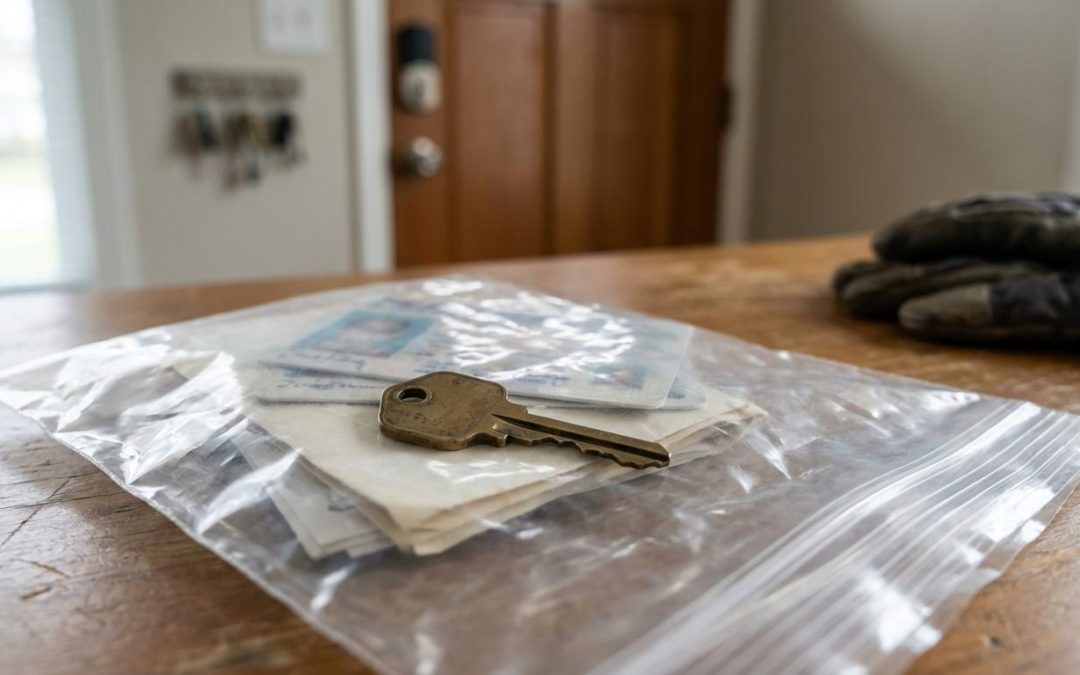
- Protect valuables and sensitive items: Gather items like jewellery, cash, personal IDs, deeds, keys, and photos into one secure place and create a simple inventory.
- Pause obvious losses: Cancel deliveries and time-sensitive services, and arrange mail redirection so bills and notices do not disappear into a letterbox.
That sequence is deliberately boring. Boring is good. It keeps the estate stable while you organise the next steps.
Build an “estate clearance file” before you sort a cupboard
A deceased estate clearance goes smoother when information is centralised. Create a physical folder and a digital folder, then keep everything consistent: dates, names, receipts, and photos.
Aim to collect these early, even if some will take time to obtain:
- Death certificate (order multiple certified copies)
- Will and any codicils
- Identification documents
- Bank, superannuation, insurance, and investment records
- Rates notices, utility bills, and property papers
- A running list of contacts (solicitor, conveyancer, real estate agent, insurers)
One simple habit saves hours later: photograph each room before you move items. Those photos help with disputes, insurance, and remembering what was where.
A timeline view: what happens when?
The legal process and the physical clean-out often overlap, yet they do not always move at the same speed. A timeline helps you decide what to do now and what to delay.
| Phase | Aim | Typical actions | What not to rush |
|---|---|---|---|
| Days 1 to 7 | Stabilise | Secure property, locate will, redirect mail, notify key services, organise access | Distributing belongings to beneficiaries |
| Weeks 2 to 6 | Map the estate | Inventory assets and liabilities, seek valuations, check insurance on vacant home | Major selling decisions without authority |
| Months 2 to 6+ | Formal administration | Probate or letters of administration (as needed), collect funds, pay debts, manage tax | Early distributions before debts and claim periods are clear |
| Pre-sale or handover | Present the property well | Repairs, garden tidy, deep clean, hard waste removal, staging prep | Leaving hazardous waste or unknown chemicals onsite |
Your state’s rules and the estate’s complexity can change the timing. When you are unsure, get legal advice early rather than patching mistakes later.
A room-by-room sorting system that keeps everyone calm
Sorting is where emotions spike. The best approach is structured, visible, and fair. Choose a small team, set a timetable, and agree on how decisions are made.
Start with low-sentiment areas to build momentum: linen cupboards, laundry, pantry, garage. Leave bedrooms, photographs, and personal papers until your process is working.
A simple category system is enough:
- Keep
- Sell
- Donate
- Recycle
- Dispose
Label boxes clearly, keep a “do not touch” tub for documents and valuables, and store keys together. If interstate relatives are involved, schedule video walk-throughs at set times so they can be included without derailing the day.
The step-by-step deceased estate clearance checklist
Once the property is secure and your paperwork is underway, you can move through clearance in a controlled way. Use this checklist as your working order and tick items off as you go.
- Confirm who is authorised to act (executor or administrator) and record their contact details.
- Order certified copies of the death certificate and store them securely.
- Locate the will and identify beneficiaries who need to be informed.
- Secure the home, limit access, and document the property condition with photos.
- Check insurance coverage for an unoccupied home and notify the insurer as required.
- Redirect mail and start a list of accounts, subscriptions, debts, and memberships.
- Create an inventory of contents, noting any high-value items for valuation.
- Arrange valuations for items that affect estate accounts (property, vehicles, collectables, significant jewellery, shares).
- Decide what will be retained, gifted, sold, donated, recycled, or disposed of, and document the basis for those decisions.
- Set aside personal papers and identify documents needed for probate, tax, and asset transfers.
- Plan the physical clear-out in phases (pack and move items to keep, remove donations, then arrange for rubbish removal, house clearance, and hard waste disposal).
- Prepare the property for sale or handover (minor repairs, garden work, cleaning, safety checks, final walk-through).
This sequence works because it respects both sides of the job: responsibility first, speed second.
Safety, compliance, and surprises hiding in plain sight
Deceased estates often contain items that cannot go in a regular bin and should not be handled casually. Think chemicals in sheds, old paints, sharps, mould-affected materials, and broken furniture with exposed nails.
A few practical rules reduce risk quickly:
- Wear gloves and enclosed shoes, even for “quick” jobs.
- Ventilate rooms before sorting if the property has been closed for weeks.
- Treat unknown powders, pills, and chemicals as hazardous until identified.
- Keep children and pets out of work areas.
If the home has hoarding conditions, scale up your plan. You may need additional PPE, extra time, and a removal team that can work discreetly.
Keeping family relationships intact while you clear a home
Executors are often relatives, which means you can be both decision-maker and griever. Clear communication prevents misunderstandings.
Agree on process, not preferences. A simple written note to beneficiaries can help: what the timeline is, when people can visit, how items will be allocated, and how disputes will be managed.
This style of clarity works well:
- Access rules: Who can enter the property, when, and with whose approval.
- Allocation method: How personal items and sentimental belongings will be identified and offered.
- Record keeping: Photos, inventory lists, receipts, and where they are stored.
- Decision points: What requires beneficiary input versus what the executor will decide.
It is not about being strict. It is about being fair and consistent.
When a professional clearance team makes sense
There is a point where “we can do it ourselves” becomes costly. Time off work, interstate travel, skip logistics, heavy lifting, and disposal rules add up quickly.
Professional house clearance help is often worth it when:
- the property must be prepared for sale quickly
- there are bulky items, mattresses, whitegoods, or furniture throughout
- the estate includes hoarding, heavy clutter, or unsafe materials
- you are managing the process from interstate
- you need discretion, not a spectacle on the street
The goal is not to hand over every decision. It is to keep decision-making with the executor while outsourcing the physical load.
How HandiLoad supports deceased estate clear-outs in South Australia
HandiLoad is a South Australian family business that helps families, executors, and home sellers clear unwanted contents and hard waste from homes that are being prepared for sale. The work is practical and hands-on: labour and trucks to remove rubbish, plus skip hire in a range of sizes when that suits the job better.
For deceased estates, that support can look like clearing furniture, carpets, appliances, demolition material, steel, garden waste, soil, and the mixed hard rubbish that accumulates in garages and sheds. Where needed, items can be packed and shipped interstate, and the property can be prepared for sale with related services like landscaping and building work, including supervision of extensions and new builds up to two storeys. A guide from AND Photography on preparing a house for real estate photos shows how modest touches—decluttering, replacing blown bulbs, and shooting in consistent natural light—can materially lift a listing without major spend.
Many families also want reassurance that the process will be discreet and professional. That matters when neighbours are watching, emotions are close to the surface, and the executor needs the home cleared without drama.
If you are coordinating from interstate, a good next step is to set a clear scope before anyone starts lifting: what must be kept, what can be donated, what is rubbish, what requires recycling, and what needs a second opinion. With that decided, the clearance itself becomes far more straightforward, and the property can move toward its next chapter with dignity.
Recent Comments