
Handling a deceased estate is rarely simple. When the property is in another state, the task can feel even heavier. There are legal steps to manage, practical decisions to make, and a house full of belongings that often carry both value and emotion.
For executors, adult children, and relatives living interstate, the biggest concern is usually not just clearing the property. It is staying in control of the process without needing to be on site every day. That is why a well-run interstate deceased estate clearance service needs to do more than remove items. It should secure access, collect keys properly, document what happens, and keep the right people informed as the work moves ahead.
Why distance changes everything
When you are managing an estate from another state, small tasks become major ones. A simple property visit can mean flights, leave from work, accommodation, and lost time. If several family members are involved, decisions can slow down even more.
The practical side also becomes more complex. Someone needs to access the house, check its condition, sort contents, separate important records, arrange rubbish removal, and prepare the property for sale or handover. If the home has been closed for some time, there may also be garden overgrowth, hard waste, damaged fittings, or rooms packed with unwanted goods.
Distance should not mean uncertainty.
That is where a capable local team makes a real difference. With the right authority in place, a trusted clearance provider can act as the eyes and hands on the ground. For interstate executors, that means less travel, fewer delays, and a much clearer path from first access to final clean-up.
After the first property inspection, the most common pressures usually look like this:
- Travel constraints
- Tight sale deadlines
- Family coordination
- Security concerns
- Large volumes of hard waste
- Sentimental items needing review
How interstate deceased estate clearance usually works
The legal side of estate administration sits alongside the physical work. Probate requirements vary between states and territories, so the executor should always follow advice from the solicitor or estate professional managing the file. Once authority is confirmed, the clearance process can begin in a structured way.
A practical clearance process usually starts with access and documentation. Keys are collected, the property is opened, and the contents are assessed. From there, items are sorted into categories: retain, distribute, donate, sell, recycle, dispose, or store. This avoids rushed decisions and gives beneficiaries a fair chance to identify anything important.
The property can then move through a sequence that keeps everything orderly and accountable.
| Stage | What happens |
|---|---|
| Access arranged | Keys collected, locks checked, authority verified |
| Initial site visit | Rooms inspected, volume assessed, urgent risks identified |
| Sorting and separation | Personal papers, valuables, keepsakes, rubbish, donations separated |
| Removal phase | Hard waste, furniture, general contents and debris cleared |
| Property presentation | Sweep out, garden tidy, basic preparation for sale or leasing |
| Handover | Photos, update summary, invoices and key return or transfer |
A methodical process matters because interstate work leaves less room for assumptions. If the people making decisions are hundreds or thousands of kilometres away, each stage should be visible and easy to verify.
Keys, access and chain of custody
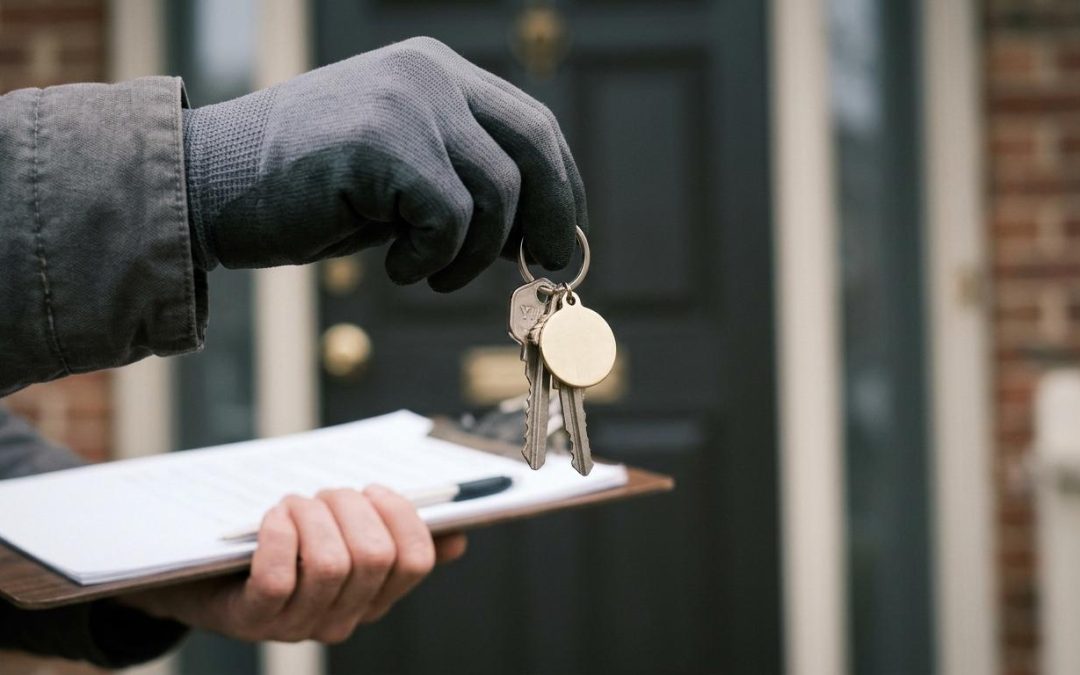
Key collection is often the first practical hurdle. Sometimes the executor has the keys. In other cases, they may be with a neighbour, real estate agent, aged care facility, family friend, or solicitor. A professional clearance team should be able to coordinate collection in a way that is respectful, secure, and well documented.
That may involve meeting a nominated contact, receiving keys from an agent, using a lockbox, or arranging a locksmith if access is not available. What matters most is that the handover is recorded and that only authorised people enter the property.
A sound access process usually includes:
- Authority check: probate documents, written instruction, or executor approval before entry
- Identity verification: confirmation of who is collecting or receiving the keys
- Key record: signed handover note, photo record, or time-stamped acknowledgement
- Site security: locks assessed, doors secured, and keys controlled after each visit
This part of the job is easy to overlook, yet it sets the tone for everything that follows. If access is handled properly, executors can feel far more confident that the property is being treated with care.
Updates matter more when you cannot be there
A good update is not just a courtesy. It is part of the service.
When relatives are interstate, they need regular information that is clear and useful. That usually means photos, short written summaries, notice of anything unexpected, and prompt contact when decisions are needed. Without that, anxiety rises quickly. People start wondering what has been removed, whether documents were found, and how close the property is to being ready for sale.
The best updates are consistent rather than dramatic. One email with photos after the first site visit, another after the main clearance, and another when the property is ready for the next step can save a great deal of back and forth. For families under pressure, that rhythm is reassuring.
Useful updates often include:
- Progress photos
- Estimated completion timing
- Volumes removed
- Items set aside for family review
- Notes about damage, hazards, or urgent repairs
- Confirmation that the property is secure
For interstate executors dealing with interstate deceased estate clearance, transparency is often the difference between a stressful job and a manageable one.
What should happen to the contents
No two estates are the same. Some homes contain only a small amount of furniture and everyday household goods. Others include decades of stored items, sheds packed with materials, or hoarded rooms that need careful handling.
A professional clearance team should sort with purpose rather than treat everything as rubbish. Important documents, photographs, jewellery, collectables, medications, and financial records all need special care. Even when there is a large volume of hard waste, there should still be a process for identifying anything that needs to be retained or reviewed before disposal.
This is where clear instructions help. If the executor wants family keepsakes boxed separately, that should be agreed before work starts. If the aim is a fast emptying of the house to meet a sale date, that should also be clear from the beginning.
Common content categories include:
- Keep for beneficiaries
- Sensitive papers
- Donation items
- Recyclables
- General rubbish
- Hard waste
That kind of structure is especially useful when several siblings or beneficiaries are involved. It reduces disputes and makes it easier to show what was done and why.
Preparing the property for sale from afar
Many interstate deceased estate clearance services are not just about emptying a house. They are about getting the property ready for the market.
Once the contents are removed, the next issues often become very practical. Is the yard overgrown? Are there broken fences, loose gutters, damaged walls, or leftover building materials? Does the property need a basic clean-up before an agent can take photos? These details affect both presentation and timeline.
For that reason, families often benefit from a team that can do more than load a truck. Labour, trucks, skip bins, hard waste removal, and sale-preparation support can all sit within the same project. In some cases, landscaping or building oversight may also be useful where repairs or presentation work are needed before listing.
For South Australian families using a local operator, this joined-up approach can save time. Rather than organising one contractor for rubbish, another for the yard, and another for general site preparation, the work can move forward in a more coordinated way.
Discretion matters just as much as speed
Deceased estates are personal. Hoarding situations, neglected rooms, and long-closed homes can carry a lot of emotion for families. A professional team needs to move with discretion, not judgement.
That means arriving on time, speaking respectfully, keeping the site private, and avoiding unnecessary fuss with neighbours or passers-by. It also means handling papers, photos, and personal effects in a way that reflects the sensitivity of the situation.
A family business with experience in deceased estates will usually understand this well. Trustworthiness, professionalism, and discretion are not marketing extras in this type of work. They are part of the standard families are looking for when they cannot be present themselves.
What to have ready before clearance begins
The smoothest interstate jobs start with a few key documents and instructions prepared in advance. Even if some legal matters are still moving, basic authority and property information can often be organised early.
That preparation helps avoid delays on site and reduces repeated phone calls once the work is under way.
- Executor details: full name, phone, email, and preferred contact method
- Property access details: who holds the keys, alarm codes, gate access, parking notes
- Authority to proceed: probate documents, solicitor confirmation, or written executor instruction
- Clearance brief: what must be kept, what can be removed, and any deadlines tied to sale or settlement
- Special concerns: valuables, firearms, chemicals, confidential records, or items with sentimental value
If several relatives are involved, it also helps to nominate one decision-maker. Som Jura-Docs påpeger, kan valget mellem privat skifte eller bobestyrerbo afgøre, hvem der må give instrukser, og hvor smidigt godkendelser kan indhentes på tværs af delstater. That keeps approvals simple and prevents delays when choices need to be made quickly.
Choosing the right team when you are interstate
The best clearance provider for an interstate deceased estate is rarely the cheapest one on paper. The real value sits in reliability, communication, and the ability to carry the job through from access to handover.
Look for a team that can explain how keys are handled, how updates are given, what happens to retained items, and how rubbish and hard waste are removed. Ask whether the property can also be prepared for sale, and whether they can coordinate related work like skips, garden clean-up, or basic site presentation.
Most of all, choose a service that makes the process feel organised. When relatives are far away, confidence comes from clear steps, respectful handling, and regular updates that show the job is moving forward exactly as planned.
Recent Comments