
When a property needs to be cleared, the biggest source of confusion is often not the lifting. It is the pile itself.
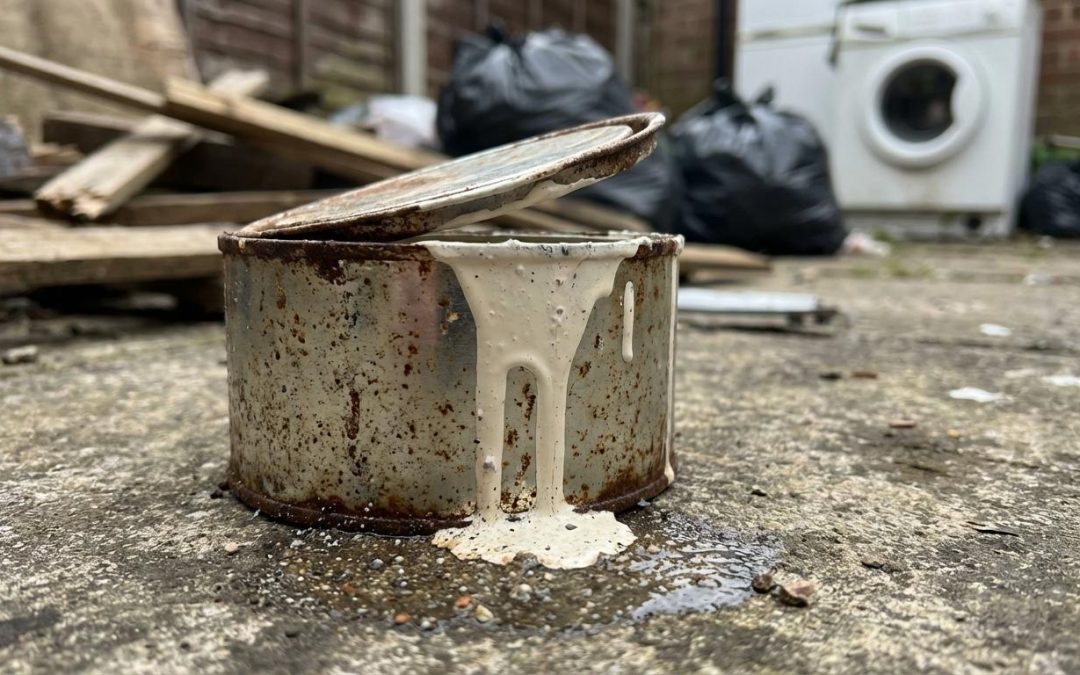
A lounge, a few bags of clothes, broken fencing, an old washing machine, a stack of bricks, and paint tins can all sit in the same backyard. Yet they are not all treated the same way. Some items fit neatly into ordinary junk removal. Others fall into hard waste. A smaller group needs a separate disposal path because of safety, environmental, or regulatory concerns.
That distinction matters whether you are preparing a home for sale, dealing with a deceased estate, vacating business premises, or helping from interstate. It affects the quote, the truck, the labour required, and how quickly the site can be made presentable.
What hard waste usually includes
Hard waste is the bulky, heavy, awkward, or dense material that does not belong in regular household bins. It is often too large for council wheelie bins, too heavy for one person to lift safely, or too messy to shift without the right gear.
General waste is different. It usually refers to smaller, everyday rubbish and loose household junk. Think old toys, clothing, bagged mixed rubbish, and the usual accumulation of unwanted items from cupboards, spare rooms, garages, and office storerooms.
On many private clearance jobs, the line between the two is practical rather than technical. If an item is large, dense, sharp-edged, dirty, or difficult to manoeuvre, it is usually treated as hard waste. That is why furniture, whitegoods, carpet, timber, bricks, concrete, steel, mattresses, tyres, and green waste are often grouped together under hard rubbish or hard waste removal services.
After a quick look at what is commonly collected, the pattern becomes clear:
- furniture and office fit-out items
- carpets, underlay, mattresses
- bricks, concrete, steel, demolition debris
- washing machines, cookers, old appliances
- garden waste, soil, branches, stumps, fencing
What can normally be removed
A practical way to think about removal is to separate items into what can usually go on a standard hard waste load, what fits into ordinary junk removal, and what needs a check before pickup. The table below gives a clear starting point.
| Waste group | Typical items | Usually removable with a hard waste service | May need extra handling |
|---|---|---|---|
| General household junk | Old toys, clothing, loose non-hazardous rubbish, unwanted household items | Yes | Sometimes, if wet, contaminated, or mixed with liquids |
| Bulky household items | Furniture, mattresses, carpets, whitegoods, office furniture | Yes | Sometimes, if access is difficult or the item is unusually heavy |
| Building and renovation debris | Bricks, concrete, timber, steel, fencing, demolition material | Yes | Yes, if asbestos or contaminated material is present |
| Garden and outdoor waste | Soil, branches, trees, stumps, old outdoor materials | Yes | Sometimes, depending on weight, volume, and site access |
| Special items | Tyres, some electronics, mixed materials | Often case by case | Often |
| Hazardous waste | Chemicals, fuels, solvents, asbestos, some batteries | Usually no, or only via special arrangement | Yes |
This is also why many removal businesses prefer photos or an on-site quote. A pile can look straightforward from a distance, then turn out to include a few restricted items buried underneath. A good assessment saves time and avoids loading material that cannot legally or safely travel with the rest.
One mixed pile can contain several waste types
That is why a quick photo or site visit often gives a far better answer than guessing from a verbal list.
What tends to need special handling
Most hard waste services can remove a broad range of bulky items. Still, some materials sit outside the normal pickup process because they carry fire risk, health risk, contamination risk, or disposal restrictions.
This is where people often get caught out. They assume that because something is old, broken, or heavy, it must count as hard waste. Sometimes it does. Sometimes it belongs in a specialised stream. A cracked fibro sheet, leaking paint tin, unlabelled chemical container, or old gas bottle can change the job immediately.
For a professional operator, special handling is not just about disposal. It also affects how the crew approaches the site, what protective measures are needed, and whether the material can be transported at all with the rest of the load.
Common examples include:
- Hazardous materials: asbestos, solvents, chemicals, fuels, unknown powders, contaminated debris
- Pressurised items: gas cylinders, some extinguishers, sealed tanks, aerosol-heavy loads
- Liquids: paint, oil, fuel, pooled water mixed with waste, liquid chemicals
- Battery and e-waste streams: some batteries, certain electronics, damaged electrical items
- Unsafe access conditions: unstable hoarded rooms, collapsing sheds, sharp demolition zones, difficult overhead lifts
A sensible rule is simple. If an item can leak, ignite, poison, contaminate, or harm the crew during lifting, do not assume it can go with ordinary hard rubbish. Ask first.
How a pickup usually works
The removal process is often more straightforward than people expect. In many cases, the customer points out what needs to go, receives a fixed quote, and the crew handles the lifting, loading, and transport. That structure works for both general junk and hard waste.
Where hard waste differs is the scale of labour and equipment. A bag of mixed rubbish can be carried by hand. A waterlogged sofa, a large fridge, or broken concrete may need trolleys, ramps, or a crane-equipped truck. HandiLoad, for example, states that its modern 10.5 cubic metre tipper trucks include Hiab crane capability for large heavy items. That kind of setup matters when the load is dense, awkward, or well over safe manual lifting limits.
The disposal side matters just as much. A strong service does more than dump everything in one place. HandiLoad also states an aim to recycle as much as possible, with a preference to recycle, re-use, donate, and only then dispose. That approach is especially useful in deceased estates and pre-sale clearances, where the pile often includes reusable household goods mixed with hard waste and ordinary rubbish.
A practical point for customers is that there may be no strict public list covering every item and every volume. What can be taken is often assessed by three things: the nature of the material, the amount of it, and how easy it is to access safely.
Why the difference matters during a clearance
When a home is going on the market, presentation speed matters. A garage half full of concrete offcuts and old furniture is a very different job from clearing bagged household clutter. The first may call for heavy lifting gear, more labour, and a bigger allowance for weight. The second may be quicker, lighter, and easier to sort.
The same is true for deceased estates. These jobs are rarely just about rubbish. They often involve a mixture of sentimental items, reusable goods, damaged furnishings, old appliances, paperwork, and years of accumulated storage. Having a clear distinction between hard waste, general junk, and restricted items helps the process feel more manageable at a difficult time.
Office and end-of-lease clearances also benefit from this clarity. Desks, shelving, photocopiers, carpet tiles, and broken fit-out materials can move quickly when the load is identified properly from the start. That helps landlords, tenants, and property managers avoid delays and gives a cleaner handover.
For interstate relatives or time-poor sellers, this is often the real value of a professional service. The physical work is one part of it. The other part is knowing what can be taken immediately, what may need a separate plan, and how to get the property into a cleaner, more market-ready state without repeated trips.
Getting a property ready for collection
Preparation does not need to be elaborate. In most cases, the best first step is to separate clearly reusable or sentimental items from the waste stream before the crew arrives. After that, it helps to group the obvious hard waste together, keep loose rubbish bagged where possible, and set aside anything you suspect may be hazardous.
Photos are especially useful when the load includes mixed materials. A pile of fencing and garden waste is easy to identify. A shed filled with old paint, batteries, timber, rusted tools, and broken appliances is more complex. Clear images let the remover judge access, truck space, likely weight, and whether any items need a different disposal route.
If the site includes very heavy loads, awkward access, or a combination of house clearance and sale preparation, it can also help to ask whether the service covers more than removal alone. Some operators can pair rubbish clearance with skip supply, garden clean-up, or property presentation work, which can save a great deal of time when a deadline is close.
The result is a clearer property, a safer work area, and a much easier path from “What do we do with all this?” to “That’s taken care of.”
Recent Comments