
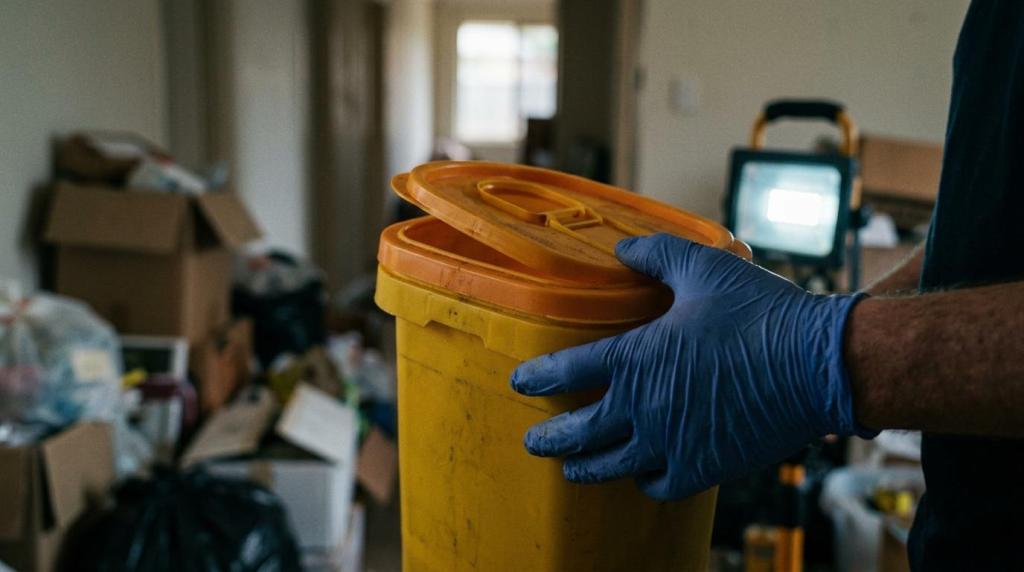
A hoarder house clean up is never just about rubbish.
It is about safety, dignity, trust, and often a long build-up of stress, grief, or overwhelm. When family members rush in with bins and good intentions, the result can be conflict, distress, and a house that still is not truly safe.
A kinder approach works better. It protects the person living in the home, reduces risks for everyone involved, and makes steady progress more likely to last.
Why hoarder house clean up needs a compassionate plan
Severe clutter can come from many causes. In some homes, the issue is linked to hoarding disorder. In others, it may be shaped by bereavement, illness, reduced mobility, isolation, trauma, or years of life simply becoming too hard to manage. That is why a standard weekend clean-out often fails.
To the outside eye, many items may look broken, dirty, expired, or plainly disposable. To the person in the home, those same items may hold memory, identity, security, or a sense of future usefulness. If that attachment is ignored, the clean up can feel like an attack rather than support.
That emotional reality does not mean the clutter should stay. It means the method matters.
A strong starting point is to treat the person as part of the process, not as the problem. Even when the home must be cleared quickly for sale, tenancy deadlines, or urgent safety reasons, respect still matters. Calm communication and clear boundaries can sit side by side.
After that mindset is in place, a few principles help keep the work both safe and humane:
- Safety first: clear exits, reduce fire risks, restore access to bathrooms and kitchens
- Consent where possible: involve the resident in decisions and priorities
- Small sections: one shelf, one corner, one cupboard at a time
- Clear categories: keep, donate, recycle, dispose, unsure
- Short sessions
- Regular breaks
- Privacy and discretion
How to prepare for a safe hoarder house clean up
Before lifting a single box, stop and assess the situation. Many cluttered homes contain hidden hazards. There may be unstable stacks, rotten food, pest activity, mould, damaged flooring, sharp objects, or unsafe electrical items under the pile. In older properties, there can also be asbestos-containing materials or old paint and chemical products that need special handling.
This is where planning saves time. A quick, emotional clean up can create injuries, arguments, and expensive mistakes. A structured plan gives everyone a clearer sense of what happens first and what can wait.
The most practical way to begin is with a staged approach.
| Stage | Main focus | What to do first |
|---|---|---|
| Stage 1 | Assess risks | Check access, exits, pests, mould, sharps, structural concerns |
| Stage 2 | Set priorities | Choose urgent areas like doors, walkways, kitchen, bathroom |
| Stage 3 | Sort carefully | Use keep, donate, recycle, dispose, unsure categories |
| Stage 4 | Remove waste | Load rubbish and hard waste in planned batches |
| Stage 5 | Clean and repair | Deep clean once surfaces and access are available |
| Stage 6 | Maintain progress | Put simple systems in place to stop quick re-cluttering |
If the home is being prepared for sale, this staged method also helps with presentation. A property does not need to be perfect on day one. It needs to become safe, accessible, and progressively easier to restore.
Communication tips for hoarder house clean up
Words can either lower stress or push it through the roof.
A harsh comment about “junk” or “filth” may feel efficient in the moment, though it often shuts the person down. Shame rarely leads to better decisions. A calm, matter-of-fact tone works far better.
Try to focus on function and safety. Instead of arguing about value, talk about restoring use of the home. That shift can change the whole mood of the day.
One sentence can open the door: “Let’s make this room safer and easier to use.”
It also helps to offer choices rather than demands. People cope better when decisions feel limited and clear. “Would you like to start with the hallway or the kitchen bench?” is more manageable than “We need to do this whole house now.”
After you have explained the plan, these phrases often help:
- Try saying: “You can decide what matters most.”
- Try saying: “We only need to sort this one area today.”
- Try saying: “If you are unsure, we can place it in a review box.”
- Avoid saying: “This is all rubbish.”
- Avoid saying: “If you don’t let us throw this out, nothing will change.”
- Gentle tone
- No surprises
- No public criticism
If several family members are involved, nominate one main contact person. Too many voices can feel overwhelming and confrontational, even when everyone means well.
Room-by-room hoarder house clean up methods that reduce stress
The best place to start is rarely the most sentimental area. Bedrooms, memory boxes, old letters, and personal collections often carry the strongest emotions. A better opening move is to work on low-attachment, high-safety zones.
Think hallways, entry points, the path to the bathroom, the stove area, or obvious rubbish that has no realistic use. Early wins build momentum. They also lower immediate risks from falls, blocked exits, and poor hygiene.
Use visible, simple categories. Label boxes or sections of the room so decisions are easier to repeat. Many people get stuck because every item feels like a fresh emotional puzzle. A repeatable system reduces that load.
This order usually works well:
- Clear a safe pathway in and out of the room.
- Remove obvious general waste.
- Separate food waste and anything spoiled.
- Set aside donations and recyclables.
- Leave sentimental or uncertain items for later review.
Short sessions are usually better than marathon days. Two focused hours with breaks can achieve more than eight tense hours where everyone becomes tired and reactive. When people are exhausted, they make poorer decisions and conflict rises.
Photographs can help with memory-based items. If there are dozens of similar objects, keeping a small, meaningful sample and photographing the rest can be a gentler compromise. That is not right for every item, though it can help when volume is the real issue rather than the object itself.
Australian safety precautions during a hoarder house clean up
Cluttered homes can quickly become hazardous work sites. In Australia, safe work principles still apply even when the clean up is happening in a private home. That means identifying hazards, using the right protective gear, and stopping when regulated waste or major contamination appears.
Basic protective gear often includes gloves, sturdy boots, long sleeves, eye protection, and a suitable mask for dust or mould risk. Poor lighting is common, so portable lighting or head torches can make a real difference. Trolleys, wheelbarrows, and extra hands also help reduce manual handling injuries.
Some hazards require a much firmer response.
If you come across any of the following, slow down and reassess before continuing:
- blocked exits
- unstable piles
- rodent or insect activity
- rotting food
- visible mould
- broken glass and metal edges
- Sharps or syringes: use approved sharps handling and disposal methods, not general rubbish bags
- Unknown chemicals: do not mix, open, or pour them out
- Suspected asbestos: leave it undisturbed and seek licensed advice
- Heavy contamination from waste: bring in specialist cleaning support
Electrical safety matters too. Extension leads buried under clutter, damaged appliances, overloaded power boards, and hidden moisture near cords all raise the risk level. If a room feels unsafe, do not force access just to stay on schedule.
No deadline is worth an avoidable injury.
When to call professional hoarder clean up and hard waste removal services
Some homes can be tackled with family support and a clear plan. Others need a professional crew from the start. That is often the wiser choice when the property is heavily packed, time is tight, relatives live interstate, or the person managing the job cannot do the lifting themselves.
A professional rubbish removal team can help with labour, trucks, loading, sorting support, and disposal pathways for hard waste. Skip bins can suit some jobs, while a crew with trucks may be better when the volume is uncertain or access is awkward. For homes being prepared for sale, it can also help to combine waste removal with garden work, exterior tidy-up, and practical property presentation.
Discretion matters here. Many people feel deep embarrassment about the state of the home. A respectful crew that works calmly and privately can take a lot of pressure off families and executors.
Look for a service that offers a site inspection, a clear scope of work, and a fixed quote before the job begins. Ask direct questions about access, timelines, donation options, recycling, and what happens if hazardous or regulated waste is found during the clean up.
A useful checklist for choosing help includes:
- Fixed-price quoting
- Insured operators
- Clear disposal process
- Recycling and donation options
- Ability to supply labour and trucks
- For sale preparation: ask whether garden, cleanup, or minor property works can be arranged
- For sensitive clearances: ask how privacy and discretion are handled
- For difficult access: ask whether heavy items, stairs, or tight spaces are manageable
For South Australian families, that can be especially valuable when dealing with deceased estates, urgent pre-sale timelines, or homes where the physical work is simply too much to carry alone.
The right hoarder house clean up is steady, respectful, and practical. Done well, it turns an overwhelming property into a safer space and gives everyone involved room to breathe again.
Recent Comments