
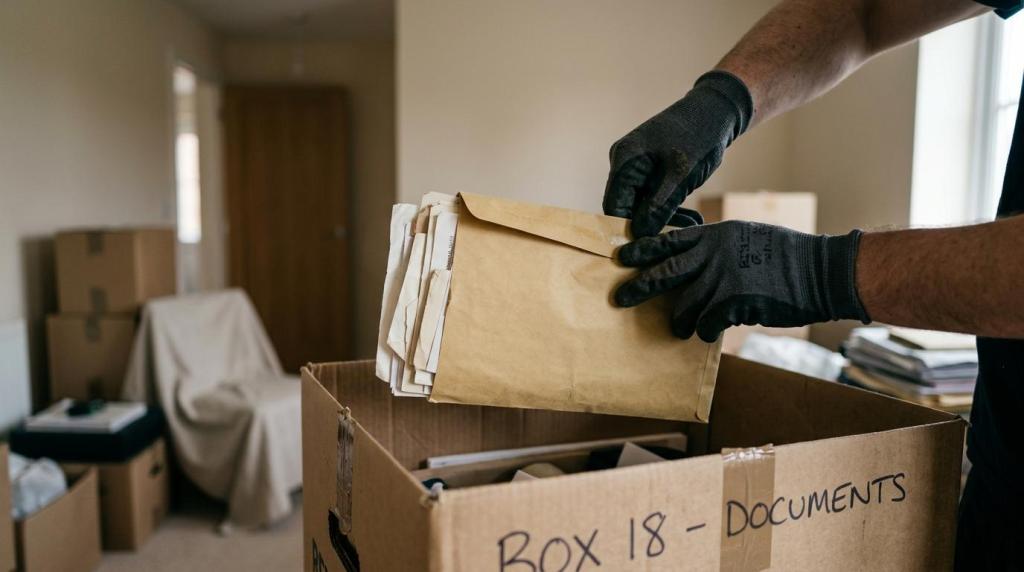
When a property needs to be cleared, privacy can matter just as much as speed. A house may hold family records, photographs, medical items, financial paperwork, personal collections, or signs of a difficult period that the owner would rather keep out of view. A discreet house clearance service is built for those moments. It keeps the process calm, respectful, and practical.
For many clients, the biggest issue is not only the volume of rubbish or hard waste. It is the situation around it. Deceased estates, hoarding clearances, homes being prepared for sale, and end-of-lease office clean-outs often come with time pressure and emotion. For interstate relatives, executors, and people who cannot manage the physical work themselves, having a South Australian family business handle the labour, trucks, and removal can make the job far more manageable.
Why discreet house clearance services matter
A private home tells a story. During a clearance, that story is suddenly visible in every room, cupboard, drawer, and shed. The right service treats that with care. Items are not just “junk” until the client has decided what stays, what goes, and what may need to be sent to family, donated, or disposed of in the right way.
Discretion also helps reduce stress. People often want a clear process, fewer repeated conversations, and no unnecessary fuss. A service that listens, inspects the property, and provides a fixed-price quote gives structure to what can otherwise feel chaotic.
Some jobs need speed. Others need silence.
After an initial discussion, privacy concerns often centre on a few practical points:
- Personal documents
- Family belongings
- Sentimental items
- Neighbour visibility
- Time-sensitive access
How discreet rubbish removal protects privacy at home
A privacy-conscious clearance service is usually less about grand promises and more about sensible habits. Clear communication matters. So does turning up when arranged, sticking to the agreed scope, and removing only the items the client has identified. When that happens, the client keeps control over the property and its contents from start to finish.
This is especially useful in sensitive clearances. A Deceased estate clearance may contain decades of possessions mixed with essential documents. A hoarded home may require a measured, respectful approach. A pre-sale clean-up may need to happen quickly without drawing attention. In each case, the service works best when it combines practical removal with good judgement.
That approach often includes a few core service standards:
- Fixed-price quote: a clear price after inspection, with less uncertainty and fewer repeated negotiations.
- Client-directed removal: items are removed according to the client’s instructions, not guesswork.
- Discreet handling: sensitive jobs are managed professionally, with respect for the home and the people involved.
- Disposal transparency: where requested, there can be a clear account of where items were taken, donated, recycled, or disposed of.
House clearance services for deceased estates and sale preparation
Deceased estate clearance is rarely just a rubbish job. Families may need help sorting rooms, packing selected belongings, sending items interstate, and removing the remainder so the property can be cleaned up for sale. A discreet service helps by keeping the work organised and respectful while reducing the physical burden on relatives and executors.
For sale preparation, clearance is often the first major step. Once unwanted furniture, broken goods, shed waste, and hard rubbish are removed, the home becomes easier to clean, present, and market. If extra help is needed, it can be useful when the same provider can also organise skips, basic landscaping, and building-related works to help get the property sale-ready.
The same applies to office and commercial premises at the end of a lease.
Discreet house clearance process from quote to removal
A good process keeps the job simple. The first step is usually a phone call or enquiry with the property details and the type of clearance required. From there, an on-site inspection allows the scope to be checked properly and a fixed price to be provided. Once approved, rubbish removal can often happen straight away or at an agreed later time.
That structure helps clients who are busy, grieving, managing a deadline, or coordinating things from another state. It replaces uncertainty with a clear sequence of steps.
| Service stage | What happens | Why it supports privacy |
|---|---|---|
| Initial enquiry | Basic property and job details are discussed | Keeps communication direct and focused |
| On-site inspection | The volume, access, and type of items are assessed | Reduces confusion and limits mistakes |
| Fixed-price quoting | A clear price is given before removal begins | Avoids drawn-out back and forth |
| Item identification | The client confirms what stays and what goes | Protects against accidental removal |
| Removal and disposal | Items are loaded, sorted, recycled, donated, or disposed of | Keeps the job controlled and accountable |
| Sale preparation support | Additional skips, landscaping, or building help can be arranged | Cuts down the need to coordinate multiple trades |
What discreet rubbish removal can include
Every property is different, but most house clearances involve a mix of general rubbish, hard waste, old furniture, whitegoods, broken household items, garage clutter, shed contents, and yard debris. Some jobs are light and straightforward. Others need trucks, labour, careful sorting, and staged removal across several rooms or outdoor areas.
A practical service may also help separate reusable items from waste. Where suitable, belongings can be directed to family members, friends, or charitable outlets rather than being dumped. That can be a valuable option when clearing a home after a death or downsizing.
Clients often ask for help with:
- Whole-house clearances
- Deceased estates
- Hoarding clean-outs
- Hard waste removal
- End-of-lease rubbish removal
Items that need special handling during house clearance
Not everything in a property can go into general rubbish removal. Some materials need special disposal pathways, and it is important to identify them early. This protects the property owner, the removal team, and the environment.
When these are present, the safest approach is to raise them during the quote stage so the right plan can be made.
A careful clearance team will usually sort the ordinary hard waste from items that need different treatment.
In South Australia, separate handling may be needed for e-waste, batteries, paints, oils, chemicals, pesticides, pool chemicals, asbestos, and biohazard material. When these are present, the safest approach is to raise them during the quote stage so the right plan can be made.
A careful clearance team will usually sort the ordinary hard waste from items that need different treatment.
Skip bins, labour, and extra property preparation services
Some clients want everything removed by a team in one visit. Others prefer a skip for staged loading over several days. Having both options available gives more control over the job, the timing, and the budget. A skip can be useful for renovations, garage clean-outs, and slower family-led sorting. Full-service removal is often the better choice when time is short or the physical work is too much.
There is also value in using one provider for more than just rubbish removal. Once a house has been cleared, the next step may be garden clean-up, basic improvements, or work needed to present the property for sale. When labour, trucks, skips, and sale preparation support can be arranged together, the whole process becomes more efficient and easier to manage.
For clients facing a sensitive clearance, that combination of discretion, practical help, and local experience can make a real difference.
Recent Comments