
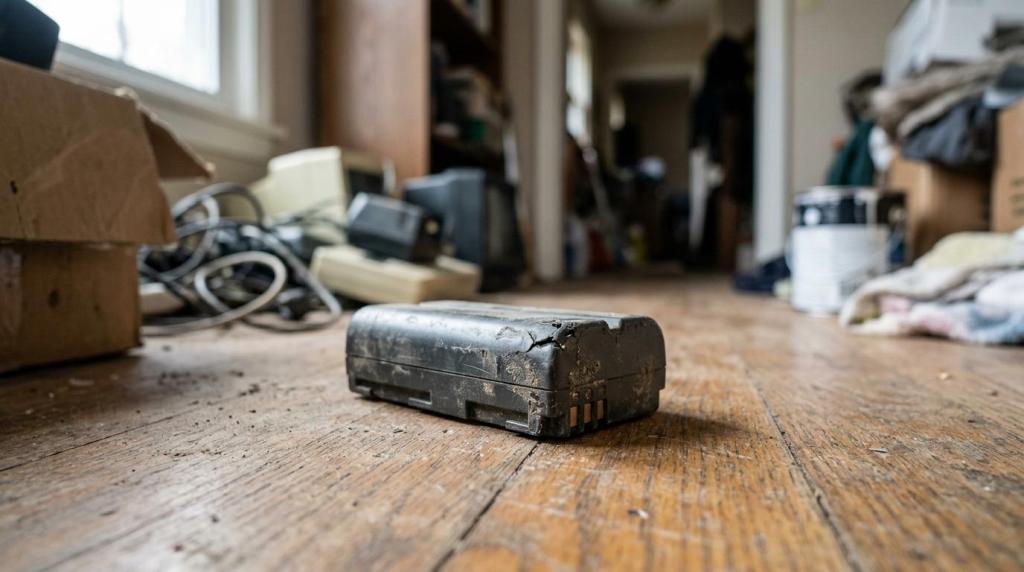
Full house clearance help is usually needed when a property stops functioning as a normal home and starts becoming a safety, disposal, or deadline problem. That point often arrives with deceased estates, hoarding-related clutter, pre-sale clean-outs, and end-of-lease clearances where a few trailer loads will not solve the issue.
TL;DR: Summary
- Full house clearance help is usually the right choice when clutter affects living space, safety, access, or disposal of regulated items like asbestos or lithium-ion batteries.
- Healthdirect says hoarding-related clutter can make it hard to clean, maintain hygiene, have visitors, allow trades in, or even sleep in the bed, and it can increase fire risk, pests, and trips and falls.
- In South Australia, some waste cannot be treated like ordinary hard rubbish. The EPA treats materials such as asbestos as unavoidable waste, and lithium-ion batteries carry fire risk if disposed of incorrectly.
- Timing matters. Small metro Adelaide clearances may be handled the same day or within one to two days, while deceased estates and hoarding clean-outs can take several days to a week.
- If the job needs labour, trucks, sorting, lifting, and separate waste handling, a full house clearance service is usually more practical than bin hire alone.
The key decision is not whether the home looks messy. It is whether the property is still safe, usable, and ready for the next step, whether that is a sale, a lease handover, or support for family after a death.
When does a house clearance job become too big to handle alone?
A house clearance has become oversized when the property needs labour, trucks, and coordinated disposal rather than a few ute trips. Adelaide , deceased estates, hoarding cases, and homes being prepared for sale are the clearest examples.
A useful test is function. If bedrooms can no longer be slept in, hallways are hard to pass through, garages have overflowed into living areas, or trades cannot reach the hot water system or switchboard, the job has moved past ordinary tidying. Volume matters, but access and decision-making matter just as much.
Another clue is load complexity. Mixed piles of furniture, broken appliances, garden waste, old paint, batteries, paperwork, and sentimental belongings slow a DIY clean-out quickly. If every item needs a decision and every load needs a different destination, full house clearance help becomes less of a convenience and more of a control measure.
inspection first, then a fixed-price quote, then removal either on the spot or at a later arranged time.
“handiload starts with an inspection and fixed-price quote, and some smaller metro Adelaide jobs may be completed the same day or within one to two days.”
How do safety risks inside the home point to full house clearance help?
Safety risk is the clearest trigger. Healthdirect notes that hoarding-related clutter can interfere with cleaning, hygiene, visitors, trades access, and even sleeping, while also increasing trips, falls, pests, and fire risk.
The common misconception is that the threshold is embarrassment. It is not. The real threshold is loss of safe use. If people must step sideways through rooms, if doors do not open fully, or if power points and heaters are buried, then the issue is operational and urgent, not cosmetic.
This matters even more when older residents, executors, or interstate relatives are involved. A physically demanding clearance carries lifting risk, dust exposure, and decision fatigue. If the occupants or family cannot safely sort, carry, and load heavy waste, bringing in full house clearance help is often the responsible choice.
What are the 7 signs you need full house clearance help?
Seven practical signs usually tell the story. When access, safety, disposal rules, or deadlines break the normal clean-up routine, full house clearance help is usually the sensible option.
After the first walk-through, look for these signs:
- A provider such as handiload becomes practical when the job needs on-site labour, trucks, and loading, not just a bin dropped in the driveway.
- Rooms no longer serve their purpose, like a bedroom that cannot fit a person in the bed or a dining area used only for storage.
- Doorways, corridors, sheds, or side access are narrowed enough to slow safe movement or block furniture removal.
- Agents, valuers, buyers, or trades cannot enter easily to inspect, repair, or photograph the property.
- The waste stream includes regulated or risky items, including asbestos, chemicals, e-waste, or lithium-ion batteries.
- The property has a hard deadline, like a sale campaign, settlement date, probate-related access window, or commercial lease end.
- Family members are interstate, time-poor, grieving, or physically unable to do the lifting and repeated disposal runs themselves.
If you recognise three or more of those signs, the job is usually already past the point where a weekend clean-up will restore control.
How should you check a property before booking a full house clearance?
A quick property check saves time and costly surprises. The aim is to identify access limits, regulated waste, and sentimental items before any loading starts.
Step 1 is to walk the property from the street inward. Note driveway width, stair access, side gates, steep blocks, low branches, and whether large furniture can actually be moved out without extra labour or equipment. A simple phone photo set helps when discussing scope.
Step 2 is to mark non-rubbish categories before anybody starts carrying items. That includes family photos, documents, jewellery boxes, wills, passports, military records, medication, and anything that may need valuation. A strong pro tip is to create one clearly marked “do not load” zone near the entry.
Step 3 is to identify any suspicious waste. If you see old fibro sheeting, loose batteries, damaged electronics, fuel containers, or unknown powders and liquids, stop guessing. If the material may be asbestos, do not break, sweep, or bag it casually.
Is a skip bin enough, or do you need a full house clearance service?
A skip bin suits predictable waste; a full house clearance service suits unpredictable work. If the house needs sorting, lifting, loading, and multiple waste streams managed on site, bin hire alone is often the wrong tool.
A skip works well when the waste is already gathered, clearly non-hazardous, and easy to carry from house to bin. Renovation offcuts, garden clean-ups, and a garage with straightforward hard waste are typical examples. If the property is orderly and labour is available, a bin can be cost-effective.
A full house clearance service is different. It covers the physical loading, the room-by-room removal, and the judgement needed when furniture, rubbish, papers, e-waste, and regulated items are mixed together. That matters when executors live interstate, when the home must be sale-ready quickly, or when the resident cannot do the physical work.
The common pricing mistake is to compare only the bin hire fee. Once you factor in labour, multiple tip runs, permits, time off work, and the risk of loading prohibited items, the cheaper option on paper can become the slower and riskier option in practice.
What kinds of waste make full house clearance more complex?
Regulated waste changes the job immediately. In South Australia, asbestos and lithium-ion batteries need separate handling because disposal errors create health, environmental, and fire risks.
South Australia’s EPA waste guidance is useful here. The state’s Waste Strategy 2020 to 2025 includes a target of zero avoidable waste to landfill by 2030, and the EPA classifies materials like asbestos, toxic waste, and quarantine waste as unavoidable waste where no other current treatment is available. That means these materials sit outside an ordinary “just throw it out” mindset.
The main categories to watch are clear:
- Asbestos: If suspected, stop disturbing it. EPA guidance for accepted landfill disposal in South Australia requires manageable-sized packages wrapped in thick 200-micron plastic and taped at the seams.
- Lithium-ion batteries: Keep them out of mixed rubbish because incorrect disposal increases fire risk.
- Mixed hazardous leftovers: Old chemicals, paints, and unknown containers need separate assessment, not blind loading.
A second misconception is that council hard waste rules cover everything in a major clearance. They do not. Once regulated items are mixed into a house-wide clear-out, the job needs a more disciplined process, especially when heavy loads and bulky furniture are moving at the same time.
“handiload uses labour and trucks, including 10.5-cubic-metre tipper trucks with crane capability, for heavier house clearance work.”
Is a deceased estate clearance different from a standard hard waste job?
Yes, a deceased estate clearance is different. Estates often combine grief, probate timing, documents, furniture, and sale preparation, while standard hard waste jobs are usually just volume and access problems.
A standard hard waste job is mostly logistical. You identify the rubbish, remove it, and dispose of it correctly. A deceased estate is more layered. There may be family conflict about belongings, a need to hold paperwork, donations to arrange, and agents or conveyancers waiting for the home to be presentable.
If the property is heading to market, the clearance may also connect to garden tidying, minor repairs, and presentation work. That is why estate clearances often take longer than people expect. The waste is only one part of the task. The house is also changing status from lived-in home to saleable asset.
How can you sort keepsakes, paperwork, and saleable items without stalling the job?
Sorting works best when decisions are made before the truck is loaded. A simple keep, review, remove system protects valuables without slowing the whole clearance.
Step 1 is to set three physical zones in the home: keep, review, and remove. The review zone matters because it stops every uncertain item from blocking progress. Not every decision has to happen on the spot, but every item does need a temporary category.
Step 2 is to protect the high-risk items first. That means documents, albums, heirlooms, cash tins, keys, medication, and small electronics with personal data. If the executor is interstate, use live video walkthroughs and label cupboards and rooms before loading begins.
Step 3 is to nominate one final decision-maker. Group decision-making sounds fair, but on clearance day it often creates delays and contradictory instructions. A practical pro tip is to have one person approve removals while others only flag review items.
What happens during a professional full house clearance process?
Most professional clearances follow a clear sequence. Inspection, fixed-price quoting, loading, disposal, and basic property presentation are the usual stages.
Step 1 is the inspection. This is where access, waste types, labour needs, and timing are assessed. A fixed-price quote is especially helpful in larger jobs because it reduces uncertainty and lets family members approve the scope before work starts.
Step 2 is the removal itself. Crews generally separate items that need different handling, load hard waste efficiently, and work room by room so the property becomes usable fast. If the house is being prepared for sale, the clearance can also be timed around agents, photographers, or trades.
Step 3 is the follow-through. Depending on the provider, that may mean a basic broom finish, garden attention, or coordination with other works needed to present the property. For homes that must be cleared discreetly, privacy around documents and personal effects also becomes part of the service standard.
“handiload positions discreet house clearance for deceased estates, hoarding clearances, homes prepared for sale, and end-of-lease office clean-outs.”
How quickly can full house clearance help happen before a sale or lease deadline?
Full house clearance can move quickly when access and decision-making are ready. handiload states some smaller metro Adelaide jobs can be completed the same day, while large estates or hoarding clean-outs may take several days to a week.
Speed depends on four variables: volume, access, waste type, and decision delays. A small home with straightforward hard waste and easy driveway access can move fast. A property with stairs, narrow paths, sentimental sorting, and suspected regulated waste will take longer even with a capable crew.
If time is tight, the best move is to reduce avoidable delay before the quote. Photograph every room, identify any do-not-touch items, confirm who can approve decisions, and flag batteries, chemicals, or suspected asbestos early. If those points are clear, the clearance can usually start sooner and run with fewer interruptions.
Recent Comments